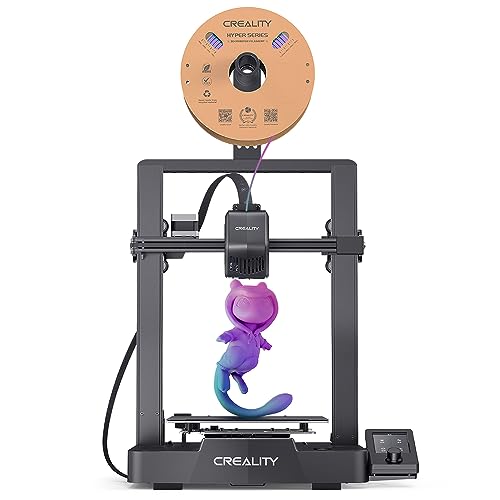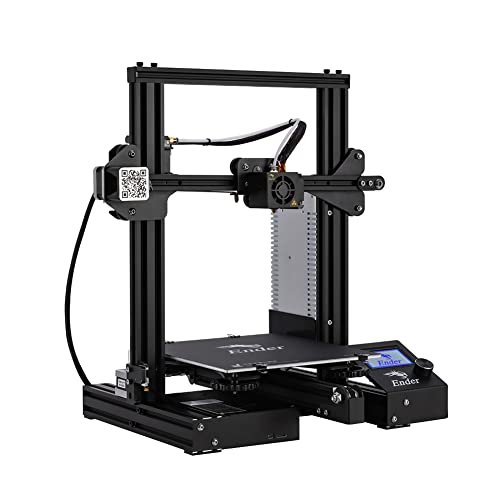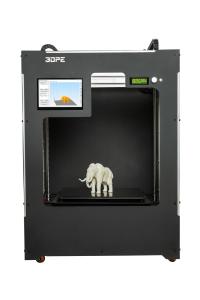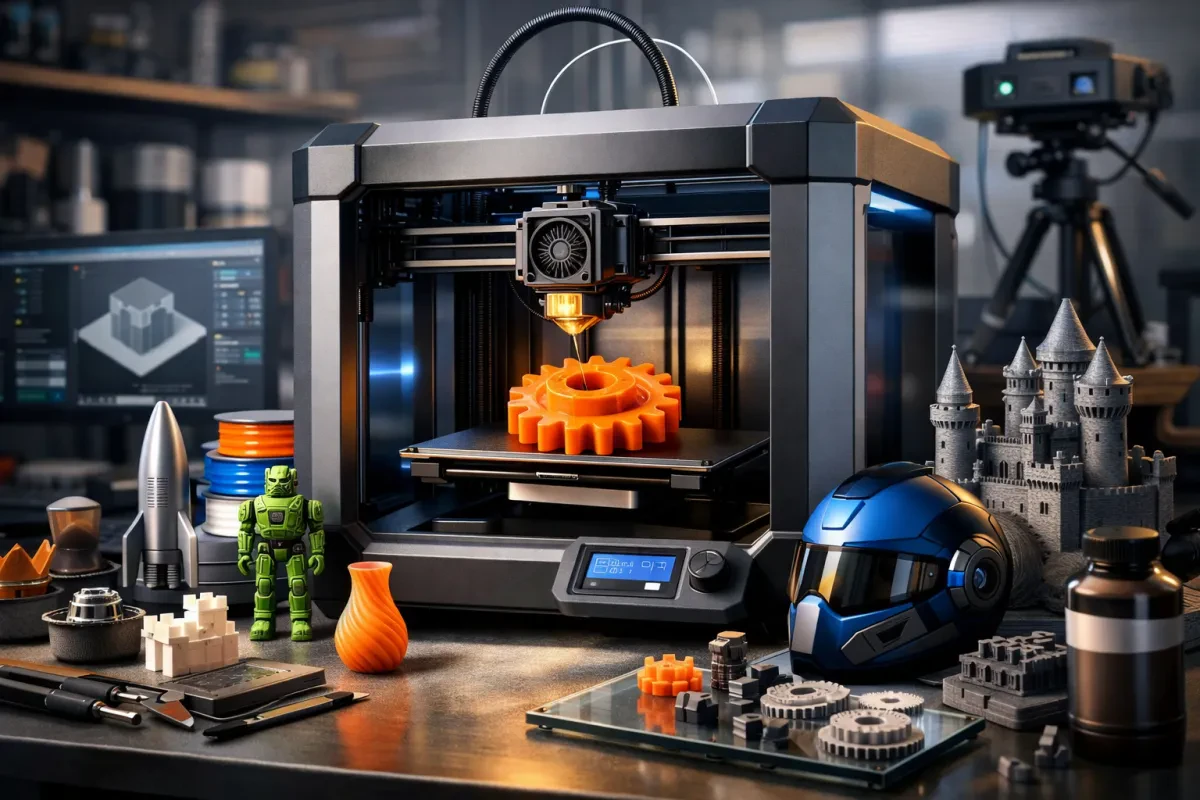
If you’re diving into the world of 3D printing, you’re in for an exciting journey! Getting started doesn’t have to be overwhelming. Just break it down into a few simple steps. First up, find a 3D printer that fits your budget and needs. There are tons of options out there, from compact machines perfect for home use to more advanced models for serious hobbyists.
Next, let’s talk about software. You’ll need a slicer to prepare your 3D models for printing. Some popular choices are Cura and PrusaSlicer. They help turn your 3D designs into instructions that your printer can understand. There are plenty of 3D printing guides available online to help you get the hang of this, so don’t worry if you’re new to it!
Once you’ve got your printer set up and your software sorted, it's time to pick what you want to create. Websites like Thingiverse and MyMiniFactory have thousands of free designs. You can also design your own if you’re feeling adventurous. Just remember, each print is a learning experience. Don’t stress if your first few attempts don’t turn out perfect; it's all part of the fun!
Finally, let’s talk materials. Most beginners start with PLA, which is user-friendly and great for indoor prints. As you get more comfortable, you can explore other materials like ABS or PETG for different projects. Check out online communities and forums for tips and tricks as you learn. These 3D printing guides and resources can be a goldmine for new ideas and hacks!
Choosing the Right 3D Printer
Another big factor is your budget. 3D printers come in all price ranges. If you're just experimenting, you might want to start with a more affordable model. These beginner-friendly printers often get you good results without breaking the bank. On the other hand, if you're serious about 3D printing, investing in a higher-end printer can offer more features and better quality.
Don’t forget about the type of filament you'll use. Different printers support different materials, so it’s worth checking what's available for the models you like. Some printers can handle specialty filaments, like flexible or high-temperature materials, which can really expand your project options. 3D printing guides often emphasize this point since it directly affects what you can create.
Finally, look into the community and customer support for the printer you're considering. Having access to helpful resources, such as forums or user guides, can make a big difference, especially if you run into any hiccups. Many brands have supportive communities that share tips and tricks, which can be super handy when you're growing your skills. So, when you’re checking out 3D printing guides, pay attention to this aspect to ensure you have the help you need along your printing journey.
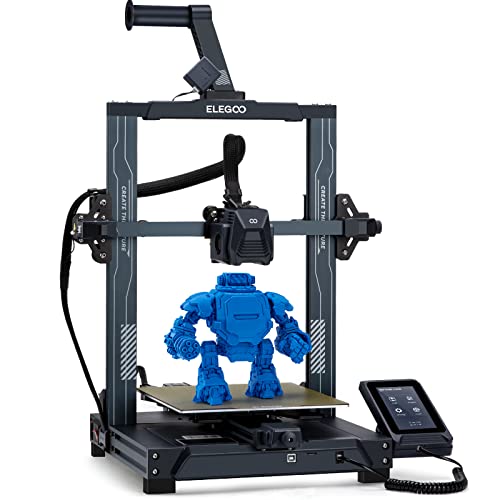
ELEGOO Neptune 3 Pro: 3D Printer with Large Printing Size
Experience next-level 3D printing precision and efficiency with the ELEGOO Neptune 3 Pro, a large-format 3D printer tailored to your imagination
Product information
$249.99
Product Review Score
4.56 out of 5 stars
217 reviewsProduct links
Top Materials for 3D Printing
When it comes to 3D printing, the material you choose can make a big difference in your project's success. There are several popular materials out there, each with its own cool features. Let’s break down some top choices that are often covered in 3D printing guides.
PLA (Polylactic Acid): This is the go-to material for beginners. It’s easy to print with, has great details, and comes in tons of colors. Plus, it’s plant-based, which makes it pretty eco-friendly. If you want something that’s hassle-free and looks good, PLA is hard to beat.
ABS (Acrylonitrile Butadiene Styrene): If you need strength and durability, ABS is your buddy. It can handle heat better than PLA and is often used for functional parts. Just keep in mind that it can be a bit tricky to print due to warping, so make sure you're ready for some trial and error.
PETG (Polyethylene Terephthalate Glycol-Modified): This material has the best of both worlds. It combines the ease of PLA with some of the strength of ABS. It’s also pretty resistant to moisture, making it great for outdoor projects. If you want something robust but still user-friendly, PETG is worth a try.
Nylon: For those who want flexibility and toughness, nylon is a solid pick. It's stretchy and super strong, which makes it perfect for functional parts that need to endure wear and tear. However, it can be a bit tricky to work with, so check out some 3D printing guides to learn the best practices.

TH72 Flexible Tough Resin for Impact Resistant 3D Printing
Discover the ultimate solution for impact-resistant 3D printing with TH72 Flexible Tough Resin
Product information
$28.99
Product Review Score
4.67 out of 5 stars
194 reviewsProduct links
Common 3D Printing Troubleshooting Tips
Sometimes things don’t go quite as planned when you're printing in 3D. Don’t worry; it happens to everyone! Here are some common troubleshooting tips that can help you out.
First off, if your prints are coming out all messy or not sticking to the bed, check your bed level. A misaligned bed can lead to all sorts of problems. Use a piece of paper to find the right distance between the nozzle and the bed. It should just lightly drag against the paper. Easy, right?
Another common hiccup is filament tangling or breaking. Make sure your filament is dry and stored properly. If you've got wet filament, it can create bubbling and that annoying hissing sound. Also, always check the spool and see if it's feeding smoothly into the extruder. Sometimes, a little tug to unwind the filament first can do the trick.
If your prints look weird with gaps or holes, you might need to tweak your print settings. Check the layer adhesion, temperature, or speed settings. Sometimes slowing down the print speed can really help with those pesky gaps. If you're using 3D printing guides, they might mention the importance of calibrating your extruder steps too. That can make a big difference!