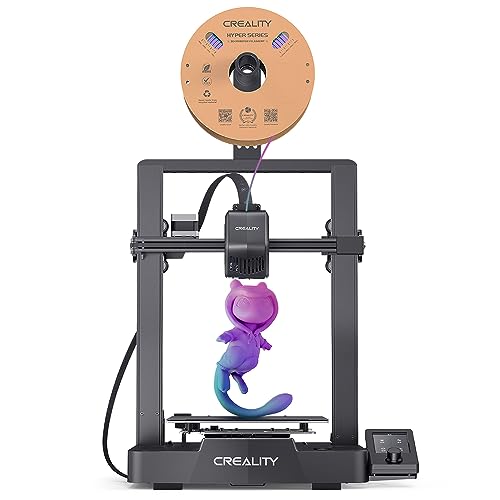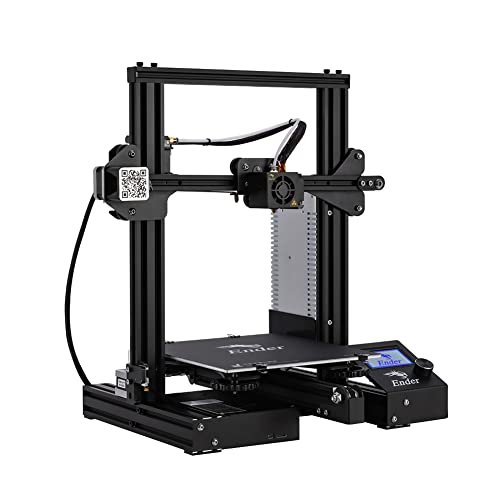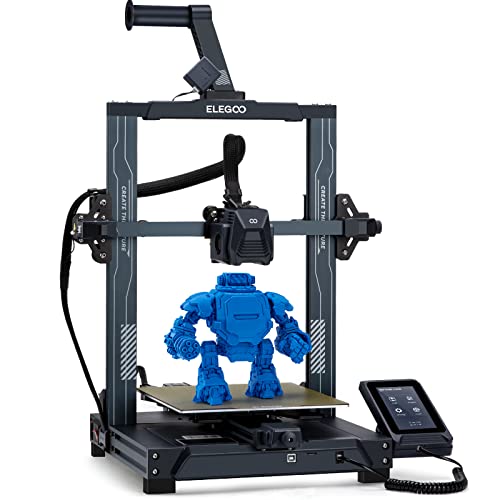
Next up, check your budget. 3D printers can range from a couple hundred bucks to several thousand. Don’t forget to consider the cost of filaments and any extra tools you might need. It's important to pick a printer that fits your wallet while still meeting your needs. You want something that won’t break the bank but still gets the job done well.
Also, pay attention to the printer’s specifications. Look for features like build volume, print speed, and resolution. A larger build volume means you can create bigger projects, while a higher resolution gives you finer details in your prints. Think about how much space you have at home too, as some printers can take up quite a bit of room.
Finally, don’t underestimate the importance of community and support. Joining forums or groups can provide you with helpful tips and troubleshooting advice. Some brands have fantastic customer support and resources that can guide you as you get started. This is a big deal for your first 3D printer, so definitely factor that into your choice.
With these tips in mind, you’ll be well on your way to finding the perfect 3D printer. This will set you up for success and help ensure your journey into 3D printing is a fun one. Keep these points handy while reading through our first time 3D printer guide, and you’ll make a great choice!
Understanding 3D Printing Basics
Getting into 3D printing can feel a bit like diving into a new hobby, but don’t worry! This first time 3D printer guide is here to break things down so you get started easily. At its core, 3D printing is all about turning a digital design into a real-world object. You start with a computer file, and with the help of a printer, you create something you can hold in your hands.
The magic happens layer by layer. Your printer uses a material, usually plastic, to build up the object by adding one thin layer on top of another. It sounds simple, but it lets you create some really cool things, from toys to tools! Don’t forget about the different types of materials, or filaments, you can use depending on what you’re making. Each material has its own characteristics, so choose wisely!
Before you jump in, there are a couple of key things to consider. Think about the size of the printer and what you want to create. Some printers are compact and perfect for small projects, while others can handle larger builds. Also, pay attention to print resolution. If you want fine details, look for a higher resolution printer. Lastly, ease of use is key—especially for your first time. Look for models that have user-friendly interfaces and plenty of online support.
So, what do you need to get started? Grab your printer, the right filament, and some slicing software. This software converts your 3D model into instructions for the printer. You might feel a bit overwhelmed at first, but remember, it’s all part of the fun!
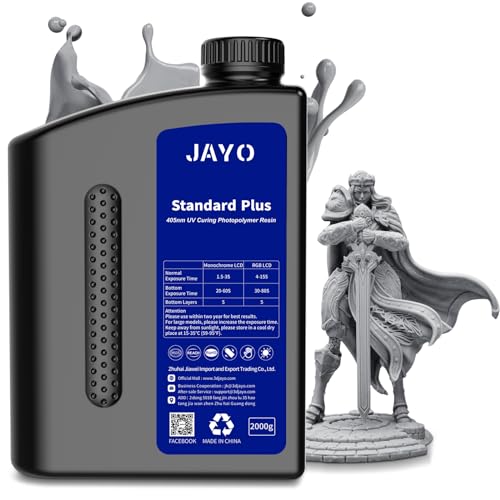
JAYO 3D Printer Resin: Improved Precision & Strength
Experience the Next Level of Precision and Strength with JAYO 3D Printer Resin
Product information
$39.99
Product Review Score
4.35 out of 5 stars
168 reviewsProduct links
Setting Up Your 3D Printer
Getting your 3D printer up and running is super exciting but can feel a bit overwhelming if it's your first time. No worries! This first time 3D printer guide will walk you through the setup process step by step. Let's dive in!
First, unbox everything and make sure you have all the parts. You’ll usually find the printer itself, a power cord, and some starter filament. Double-check the manual to make sure nothing's missing. Once everything’s out, pick a sturdy surface for your printer. It'll need a stable spot to prevent any wobbling while it works.
Now it’s time to plug in your printer and power it on. Most printers have a pretty straightforward interface, guiding you in setting up the initial settings. If your printer connects via USB or Wi-Fi, follow the prompts to get it connected to your computer or your home network. Don’t rush through this part; having a solid connection pays off later!
Next up is loading the filament. Cut the end of the filament at an angle to make it easier to feed into the printer. Push it into the extruder until you feel some resistance. Then heat up the nozzle as your manual instructs and let the printer draw the filament in. You should see some filament extrude, which means you’re ready to roll!
Finally, it’s time for a test print. Most printers come with a demo model already loaded. Select that from your printer’s menu, and watch it go. Keep an eye on it to ensure everything works smoothly. If this is your first time, you’ll be thrilled to see your ideas come to life right before your eyes!
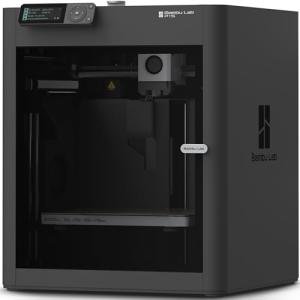
Bambu Lab P1S 3D Printer, Fully Enclosed, Support Up to 16 Colors/Multi Materials, 500mm/s Fast Printing & High Precision, CoreXY & Auto Bed Leveling, Ready-to-Use FDM 3D Printers Large Print Size
Product information
$449.00 $419.00
Product Review Score
4.13 out of 5 stars
23 reviewsProduct links
First Prints and Troubleshooting Tips
Getting started with your new 3D printer is super exciting, but it can also feel a little overwhelming, right? This section of our first time 3D printer guide will help you kick things off smoothly. Let’s dive into which prints you might want to try first and how to avoid common pitfalls along the way.
When you’re ready to print, start with something simple. A popular choice is a calibration cube. It’s a small, basic print that helps you check if your printer is set up correctly. You can also try printing fun little items like keychains or basic shapes. These are quick projects that give you a sense of accomplishment without too much hassle. Plus, they’re great for testing different settings!
If things don’t go as planned, don’t panic! Here are some quick troubleshooting tips:
Don’t forget: every printer is a little different, so check your user manual for specific guidance if something isn't working. With these tips and a bit of patience, you’ll be on your way to creating amazing prints in no time!